
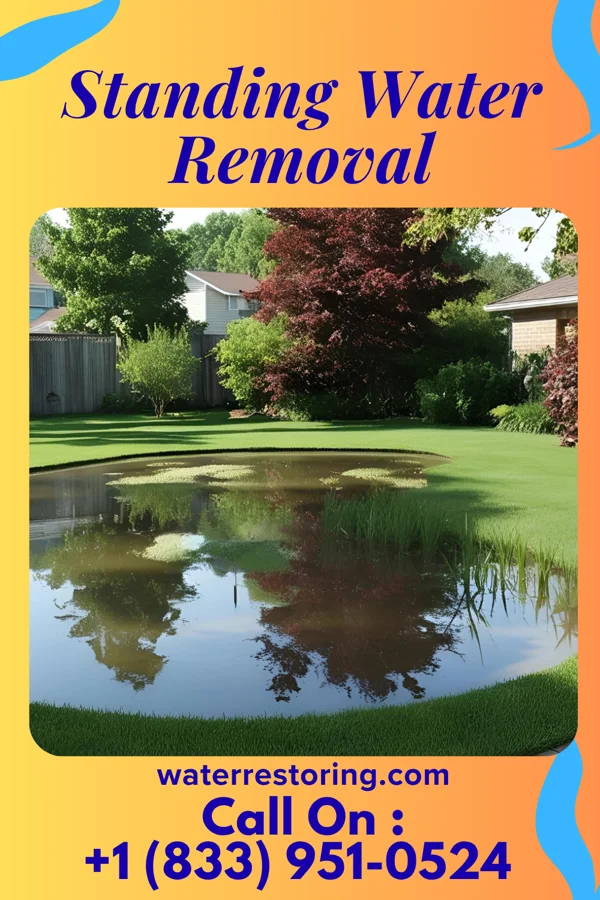
Why Marthasville Sees Standing Water Often
The pattern in Marthasville is consistent. In Marthasville, Missouri, the primary water damage cause is often related to seasonal flooding from nearby Three Creeks, which can lead to sudden water intrusion in homes and businesses. Additionally, heavy rainfall events common in the region can overwhelm local drainage systems, resulting in water accumulation in low-lying areas. These conditions are exacerbated by the rural nature of the community, where infrastructure may not be fully equipped to handle extreme weather. drives most of the emergency restoration calls we get. A close second is Secondary causes include plumbing failures in older homes, backed-up sewer systems during heavy rains, and leaks from agricultural equipment common in the surrounding rural areas. These issues can lead to prolonged water exposure, increasing the risk of mold and structural damage..
Marthasville's rural location and proximity to Three Creeks make it particularly vulnerable to flash flooding and water accumulation during storm events. The area's climate typically features warm, humid summers and cold, dry winters, which can contribute to condensation and moisture buildup in poorly ventilated structures.
Marthasville's rural location and proximity to Three Creeks make it particularly vulnerable to flash flooding and water accumulation during storm events. The area's climate typically features warm, humid summers and cold, dry winters, which can contribute to condensation and moisture buildup in poorly ventilated structures. The dominant local driver is In Marthasville, Missouri, the primary water damage cause is often related to seasonal flooding from nearby Three Creeks, which can lead to sudden water intrusion in homes and businesses. Additionally, heavy rainfall events common in the region can overwhelm local drainage systems, resulting in water accumulation in low-lying areas. These conditions are exacerbated by the rural nature of the community, where infrastructure may not be fully equipped to handle extreme weather., with Secondary causes include plumbing failures in older homes, backed-up sewer systems during heavy rains, and leaks from agricultural equipment common in the surrounding rural areas. These issues can lead to prolonged water exposure, increasing the risk of mold and structural damage. showing up as the next most common cause. Damage builds in stages. Spread. Absorption. Microbial growth. Structural compromise. Every stage you pass through adds to the final bill.